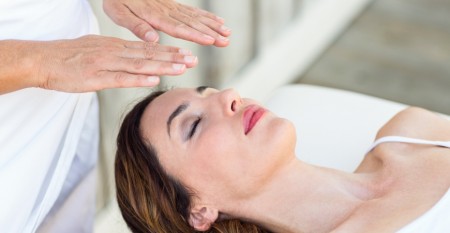
Why People Turn to Reiki for Stress
Chronic stress is one of the most pervasive health challenges in modern life. When conventional approaches are not fully resolving the picture, many people start looking at complementary options. Reiki keeps appearing on that list, and for reasons that are not entirely mysterious.
At its most basic, a Reiki session is an hour of stillness in a quiet room with someone whose entire focus is your wellbeing. For many people, that alone is something they rarely experience. Whether the specific energy work is the active ingredient or whether the deep rest is doing most of the work is genuinely hard to separate — and may not matter much if the outcome is real relief.
What the Research Shows
A 2021 study in the Journal of Evidence-Based Integrative Medicine found that Reiki was significantly more effective than placebo in reducing anxiety in a sample of community volunteers. Heart rate, blood pressure, and cortisol markers all showed improvement in the Reiki group compared to both rest-only and sham Reiki conditions.
A review in the Journal of Alternative and Complementary Medicine examined a dozen trials and found consistent evidence of reduced stress and anxiety following Reiki sessions. The authors noted that study quality varied and larger controlled trials are still needed — standard in complementary medicine research, reflecting the difficulty of blinding participants rather than evidence the practice does not work.
The Physiological Side
One consistently measured effect is the shift from sympathetic to parasympathetic nervous system dominance — from fight-or-flight into rest-and-digest. Heart rate slows. Breathing deepens. Muscle tension drops. These are the same markers that meditation and certain breathwork practices target, and they have concrete downstream effects on mood, digestion, immune function, and sleep quality.
What Clients Report
The most common feedback from people who come in for stress and anxiety is that they feel noticeably calmer immediately after a session and that the effect often lasts several days. Many describe sleeping better the night of a session and waking with less of the low-grade dread that characterizes anxiety in daily life.
A smaller subset report that emotionally charged material surfaces during sessions — old memories, unexpressed grief, physical sensations in areas where they carry tension. Practitioners see this as part of the process. For clients, it can be unexpected, but most describe it as ultimately relieving.
Reiki as Part of a Broader Approach
Reiki works best when it is one thread in a larger self-care practice. People who combine regular sessions with adequate sleep, physical movement, and some form of emotional processing tend to report the most sustained benefits. For people who feel stuck despite doing all the right things, a session often creates enough of a shift to make the other practices more accessible.
If you are managing stress or anxiety and curious about Reiki, try it and see. The evidence is more promising than for many complementary approaches, the risk is essentially zero, and the worst realistic outcome is a pleasant hour of rest. reach out to us at Reiki Works to ask questions or book an initial session.
Between sessions, some clients find an aromatherapy diffuser or an amethyst crystal a calming addition to their self-care routine. (Amazon affiliate links — we earn a small commission at no cost to you.)
Reiki Works shares clear, well-researched information about Reiki, Shamballa, and energy healing to help you make informed decisions about your wellness journey. We’re part of the CrystalWind.co family of holistic wellness resources, and you can find more energy healing articles in the Reiki section on CrystalWind.ca.
Recommended Reiki Tools
- Reiki Healing Crystals
- Tibetan Singing Bowls
- Reiki & Energy Healing Books
- Meditation Cushions & Candles
As an Amazon Associate, Reiki Works earns from qualifying purchases.
Advertisement
Your ad could be here — Advertise on Reiki Works