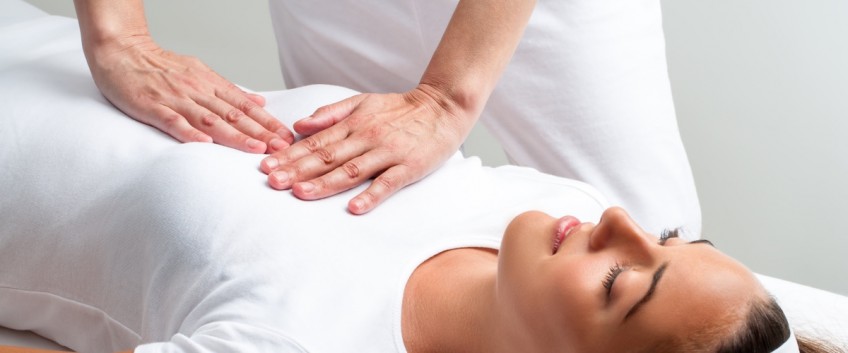
The Sleep Problem
Poor sleep sits at the intersection of almost every other health challenge. It worsens anxiety, compromises immune function, undermines emotional regulation, and makes physical pain feel more intense. For people whose sleep difficulty is rooted in an overactive nervous system — a mind that will not quiet down, a body that holds tension long after the day has ended — Reiki is worth examining as a complementary support.
What Reiki Does to the Nervous System
The most consistently documented physiological effect of Reiki is the activation of the parasympathetic nervous system — the branch responsible for rest, digestion, and recovery. Heart rate slows. Cortisol levels tend to drop. Muscle tension decreases. These are exactly the conditions the body needs to transition into sleep, and for many people, they are precisely the conditions that become harder to access as stress accumulates.
A 2019 study in Holistic Nursing Practice found that participants who received Reiki before bedtime reported significantly improved sleep quality compared to a control group. The effect was strongest in people whose baseline sleep was most disrupted — which makes intuitive sense, since those with the highest nervous system activation have the most room for downward shift.
How Sessions Tend to Affect Sleep
The most commonly reported pattern among Reiki clients is unusually deep sleep on the night of a session. Many describe waking the following morning feeling more rested than they have in weeks. This effect can persist for several days before returning to baseline — which is one reason regular sessions tend to show more cumulative benefit than a one-off appointment.
For people dealing with anxiety-driven insomnia specifically, the emotional release that sometimes occurs during Reiki sessions appears to reduce nocturnal mental activity. Clients frequently report that after processing something during a session, it stops cycling through their mind at night.
Self-Reiki Before Bed
One practical benefit of learning Reiki at Level I is the ability to practice on yourself. Many people use self-Reiki as a deliberate pre-sleep ritual — placing hands on the face, head, and chest in sequence while breathing slowly. The combination of warmth, deliberate touch, and focused attention has a quieting effect that many find more reliable than other approaches.
What Reiki Cannot Do
Reiki is not a treatment for sleep apnea, restless leg syndrome, or other sleep disorders with a clear physiological basis. If your poor sleep involves airway obstruction, limb movement, or other symptoms suggesting a diagnosable disorder, start with a sleep study and a conversation with a physician. Reiki can complement that process but should not substitute for it.
For stress-driven sleep disruption, however — which accounts for a large share of the insomnia people experience — the case for Reiki as a practical tool is solid enough to be worth trying. If you are curious, find a Reiki practitioner near you and see for yourself. It may be the best night of sleep you have had in a while.
If you are exploring sleep support between sessions, some clients find a lavender essential oil diffuser or a weighted sleep mask a helpful complement to their Reiki practice. (Amazon affiliate links — we earn a small commission at no cost to you.)
Reiki Works shares clear, well-researched information about Reiki, Shamballa, and energy healing to help you make informed decisions about your wellness journey. We’re part of the CrystalWind.co family of holistic wellness resources, and you can find more energy healing articles in the Reiki section on CrystalWind.ca.
Recommended Reiki Tools
- Reiki Healing Crystals
- Tibetan Singing Bowls
- Reiki & Energy Healing Books
- Meditation Cushions & Candles
As an Amazon Associate, Reiki Works earns from qualifying purchases.
Advertisement
Your ad could be here — Advertise on Reiki Works