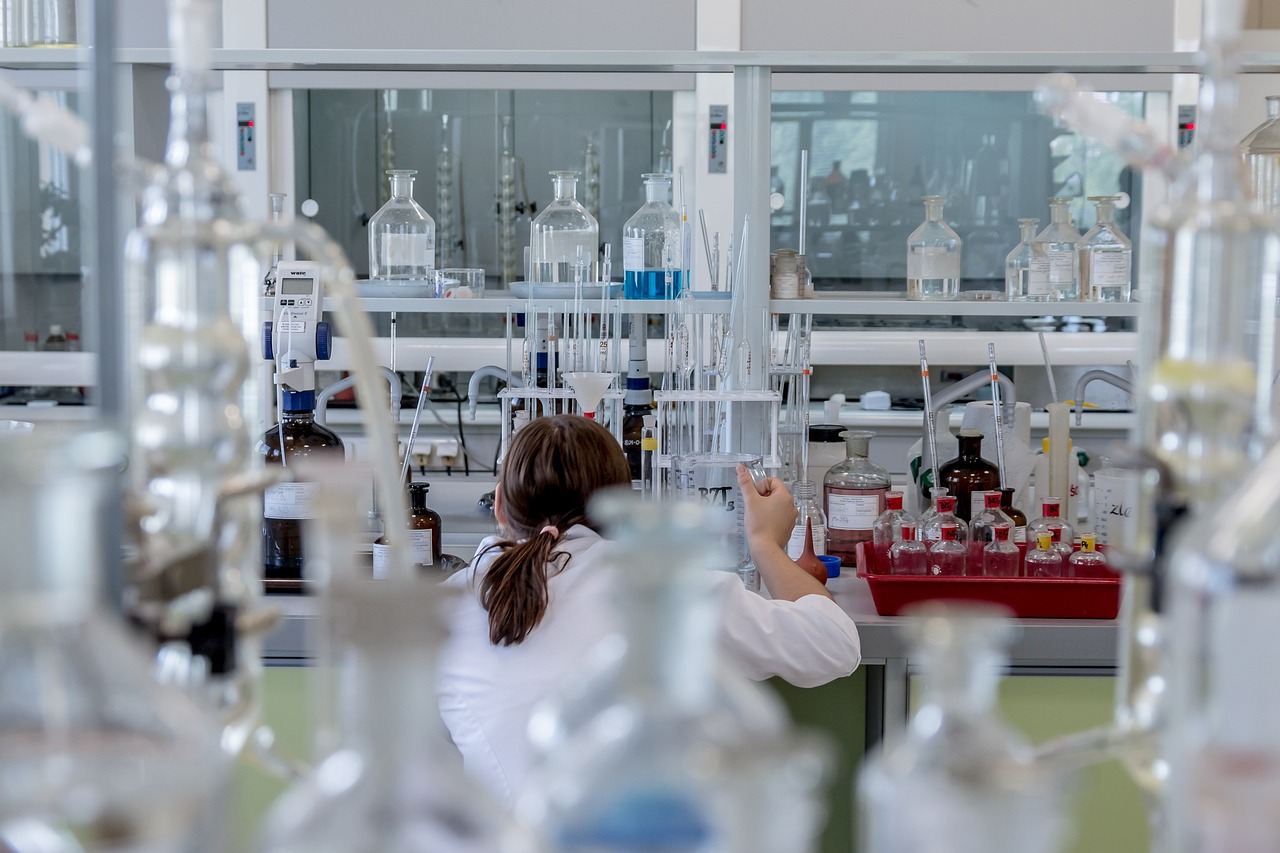
As Reiki continues to grow in popularity as a complementary wellness practice, more researchers are turning their attention to understanding how and why this gentle energy healing modality appears to benefit so many people. While Reiki has been practiced for nearly a century, scientific investigation into its effects is relatively recent, offering fascinating insights into this ancient healing art.
If you’re new to Reiki or curious about what science has discovered, this article will guide you through some of the most significant research findings to date, helping you understand both the potential benefits and the limitations of what we currently know.
Understanding Reiki in a Research Context
Reiki is a Japanese energy healing practice that involves practitioners placing their hands lightly on or just above a person’s body to facilitate the flow of healing energy. From a research perspective, Reiki presents unique challenges because it doesn’t fit neatly into conventional Western medical frameworks. However, researchers have developed creative methodologies to study its effects, primarily focusing on measurable outcomes rather than the mechanisms behind them.
It’s important to note that Reiki is classified as a complementary practice, meaning it works alongside conventional medical care rather than replacing it. Responsible practitioners always encourage clients to maintain relationships with their healthcare providers and view Reiki as one part of a holistic wellness approach.
Stress Reduction and Relaxation Response
Some of the most compelling research on Reiki focuses on its ability to promote relaxation and reduce stress. A 2015 systematic review published in the Journal of Evidence-Based Complementary and Alternative Medicine examined multiple studies and found that Reiki was more effective than placebo for reducing anxiety and depression, as well as improving self-esteem and overall quality of life.
Studies have measured physiological markers of stress before and after Reiki sessions, including:
- Heart rate variability
- Cortisol levels (the body’s primary stress hormone)
- Blood pressure
- Breathing patterns
Many of these studies show measurable changes indicating a relaxation response, similar to what’s observed with meditation and other mind-body practices. This relaxation response can have cascading positive effects throughout the body, potentially supporting the immune system, improving sleep, and enhancing overall well-being.
Pain Management Research
Pain management is another area where Reiki research has shown promising results. A 2018 study published in the Journal of Alternative and Complementary Medicine found that patients who received Reiki following knee replacement surgery reported lower pain scores and used less pain medication compared to those who didn’t receive Reiki.
Similarly, research on chronic pain conditions has explored Reiki’s potential benefits. While results vary across studies, many participants report subjective improvements in pain levels, pain-related distress, and their ability to cope with chronic pain conditions. These findings suggest that Reiki may help activate the body’s natural pain-relief mechanisms, though more research is needed to fully understand these processes.
Reiki in Hospital Settings
Perhaps one of the most significant developments in Reiki research is its increasing integration into hospital and clinical settings. Major medical centers, including some affiliated with prestigious universities, now offer Reiki as part of their integrative medicine programs.
Research conducted in these settings has examined Reiki’s effects on various patient populations, including:
- Cancer patients undergoing treatment
- Post-surgical recovery patients
- Individuals in palliative care
- Patients with cardiovascular conditions
A 2017 study at Yale-New Haven Hospital found that a single 20-minute Reiki session produced significant improvements in pain and anxiety among emergency department patients. These kinds of real-world clinical studies help demonstrate Reiki’s potential role in supporting patient comfort and well-being within conventional healthcare settings.
Challenges in Reiki Research
While the existing research is encouraging, it’s important to acknowledge the challenges that researchers face when studying Reiki. Creating proper control groups is difficult because it’s hard to design a truly “sham” Reiki session. Unlike pharmaceutical research, where a placebo pill is indistinguishable from the real medication, participants and practitioners often know whether they’re giving or receiving actual Reiki.
Additionally, many studies have small sample sizes, and methodologies vary widely between research teams. Some studies measure subjective experiences through self-reported questionnaires, while others focus on objective physiological markers. This variation makes it challenging to compare results across different studies.
The research community generally agrees that while current findings are promising, more large-scale, well-designed studies are needed to draw definitive conclusions about Reiki’s effectiveness for specific conditions.
The Biofield Hypothesis
Some researchers are exploring the concept of the “biofield”—a proposed field of energy and information that surrounds and interpenetrates the human body. While this remains a hypothesis rather than proven science, biofield research represents an attempt to understand the theoretical foundations of energy healing practices like Reiki.
Advanced measurement technologies are being developed to detect subtle energetic or electromagnetic changes during Reiki sessions. While this research is still in its early stages, it represents an exciting frontier in understanding how Reiki might work from a scientific perspective.
What This Means for You
If you’re considering trying Reiki, current research suggests it may be beneficial as a complementary practice for stress reduction, relaxation, and general well-being. Many people report feeling calmer, more centered, and better able to cope with life’s challenges after receiving Reiki.
However, it’s crucial to maintain realistic expectations. Reiki should never replace necessary medical treatment, diagnostic procedures, or prescribed medications. Instead, think of it as a supportive practice that may enhance your overall wellness journey alongside conventional care.
As research continues to evolve, we’re gaining a deeper understanding of how this gentle practice may support human health and well-being. While we may not yet fully understand all the mechanisms behind Reiki’s effects, the growing body of research provides encouraging evidence that this century-old practice has meaningful benefits to offer in our modern world. Whether you’re drawn to Reiki for stress relief, pain management, or simply to support your overall wellness, you’re participating in a practice that’s increasingly recognized as a valuable component of integrative healthcare.

Recommended Reiki Tools
- Reiki Healing Crystals
- Tibetan Singing Bowls
- Reiki & Energy Healing Books
- Meditation Cushions & Candles
As an Amazon Associate, Reiki Works earns from qualifying purchases.
Advertisement
Your ad could be here — Advertise on Reiki Works