Reiki healing has quietly transformed from a niche Japanese practice into one of the most sought-after complementary therapies in modern wellness circles. Rooted in the belief that a universal life force energy flows through all living things, this gentle, hands-on technique offers a surprisingly effortless way to restore balance to both body and mind. Unlike many wellness practices that demand rigorous routines or lifestyle overhauls, Reiki asks only for stillness, openness, and a willingness to receive. For those overwhelmed by the complexity of modern health solutions, it presents a refreshingly simple alternative.
What Is Reiki Healing?
Reiki was developed in Japan in the early twentieth century by Mikao Usui, who believed that a practitioner could channel healing energy through light touch or even from a short distance away. The word itself combines two Japanese terms: “rei,” meaning universal, and “ki,” meaning life energy. Together, they describe a practice built on the idea that when this energy flows freely, the body and mind can heal themselves naturally.
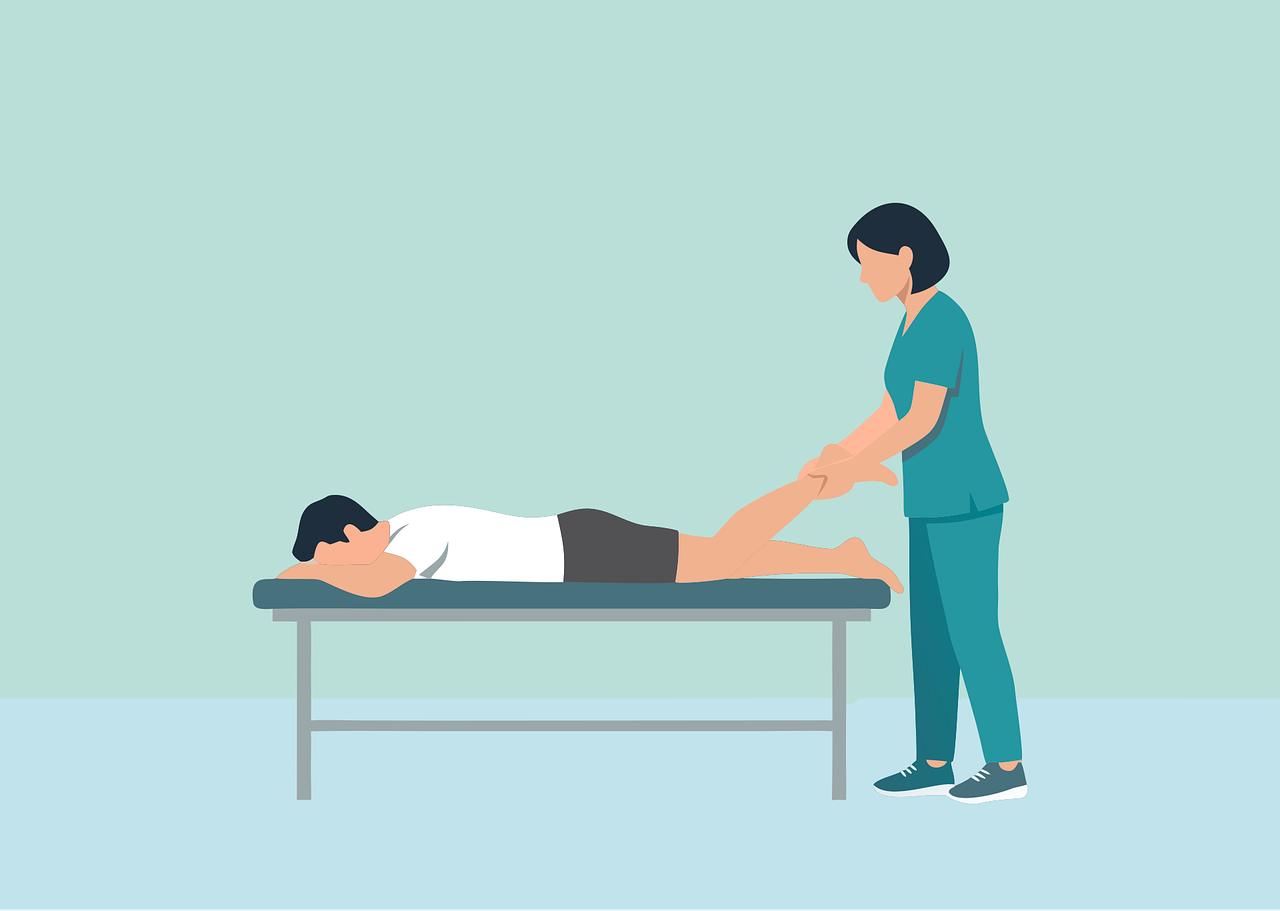
During a typical session, a trained practitioner places their hands lightly on or just above specific areas of the recipient’s body. There’s no manipulation of muscles or joints, no pressure, and no need to disrobe. The recipient simply lies down, relaxes, and allows the energy exchange to happen. Sessions usually last between 45 minutes to an hour, and many people describe feeling warmth, tingling, or a deep sense of calm during the process.
The Physical Benefits of Reiki Healing
While Reiki is not a substitute for medical treatment, a growing number of people incorporate it into their wellness routines to support physical health. Regular sessions are often associated with:
– Reduced muscle tension and chronic pain
– Improved sleep quality
– Lower blood pressure and heart rate
– Enhanced immune function
– Faster recovery after surgery or illness
Many hospitals and cancer treatment centers now offer Reiki as a complementary therapy alongside conventional medicine, recognizing its potential to ease physical discomfort and promote relaxation during stressful treatments. Patients often report that Reiki helps reduce the side effects of chemotherapy, eases post-operative pain, and supports a smoother overall recovery process.
Emotional and Mental Wellbeing Through Reiki
Perhaps the most profound impact of Reiki healing lies in its ability to calm the nervous system and quiet the mind. In a world where anxiety, burnout, and chronic stress have become almost universal experiences, Reiki offers a rare opportunity to simply pause and reset.
Practitioners believe that emotional blockages—whether from grief, trauma, or long-held stress—can manifest as physical tension or illness. By working to clear these blockages, Reiki sessions often leave recipients feeling emotionally lighter, more centered, and better equipped to handle daily challenges. Many describe an overwhelming sense of peace, clarity, and even emotional release, sometimes moving to tears without an obvious reason.
This emotional shift isn’t just anecdotal. Studies exploring energy-based therapies have found measurable reductions in cortisol levels and self-reported anxiety following Reiki sessions, suggesting a real physiological response to what might seem like a purely spiritual practice.
Why Reiki Healing Feels Effortless
One of the most appealing aspects of Reiki healing is how little effort it demands from the recipient. There are no complicated poses to master, no dietary restrictions, and no strenuous activity involved. The practice meets people exactly where they are—physically, emotionally, and energetically.
This effortlessness makes Reiki particularly accessible to those who feel too exhausted, anxious, or unwell to engage in more demanding wellness practices. It’s a therapy that works with the body’s own natural intelligence rather than forcing change, making it an ideal complement to other health and self-care routines.
Getting Started With Reiki
For those curious about exploring this practice, finding a certified Reiki practitioner is the best starting point. Many wellness centers, yoga studios, and even hospitals now offer sessions, and some practitioners provide remote or distance healing for those unable to attend in person.
As with any wellness practice, it’s worth approaching Reiki with an open mind and realistic expectations. While it won’t replace necessary medical care, it can serve as a powerful, low-effort companion on the journey toward better physical and emotional health—offering a moment of stillness in an increasingly demanding world.

Recommended Reiki Tools
- Reiki Healing Crystals
- Tibetan Singing Bowls
- Reiki & Energy Healing Books
- Meditation Cushions & Candles
As an Amazon Associate, Reiki Works earns from qualifying purchases.
Advertisement
Your ad could be here — Advertise on Reiki Works