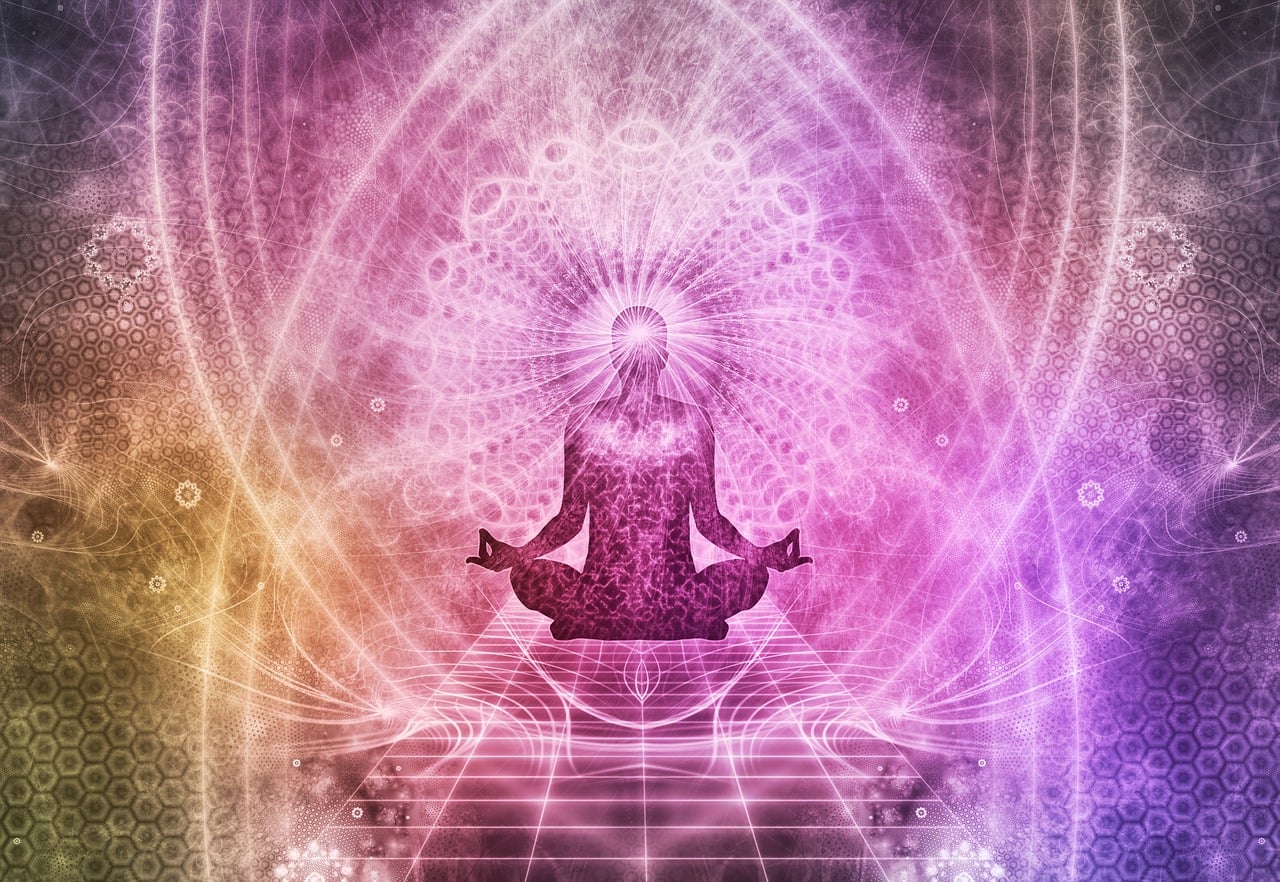
Reiki healing is an ancient Japanese energy practice that has found a welcoming home in modern wellness routines, offering a gentle, non-invasive way to restore balance to the body, mind, and spirit. Whether you’re dealing with stress, physical discomfort, or simply seeking a deeper connection to your own inner calm, this practice provides a simple yet profound pathway toward relaxation and self-healing. For beginners, the idea of channeling “universal life energy” might sound mystical or intimidating, but at its core, Reiki is an accessible tool that anyone can learn to understand and even practice themselves.
What Is Reiki Healing?
The word “Reiki” comes from two Japanese words: “rei,” meaning universal, and “ki,” meaning life energy. Together, they describe a healing technique developed in the early 20th century by Mikao Usui, a Japanese Buddhist monk. The practice is based on the belief that a life force energy flows through all living things, and when this energy becomes blocked or unbalanced, it can lead to physical illness or emotional distress.
A Reiki practitioner acts as a conduit, channeling this universal energy through their hands and into the recipient’s body. This is typically done through light touch or by holding the hands just above the body, allowing the energy to flow where it’s needed most. The result is often a deep sense of relaxation, reduced anxiety, and a feeling of renewed vitality.
How Does Reiki Healing Work?
While Reiki healing might sound abstract, its mechanics are fairly straightforward. During a session, the recipient usually lies down fully clothed while the practitioner places their hands in a series of positions on or near the body—starting at the head and moving down toward the feet. Each position is held for several minutes, allowing energy to flow and any blockages to dissolve.
Many people describe feeling warmth, tingling, or a gentle pulsing sensation during a session. Others report emotional releases, such as unexpected tears or a profound sense of peace. These reactions are considered normal and are often seen as signs that the energy is working to clear stagnant or negative energy from the body.
The Benefits of Reiki Healing for Beginners
One of the most appealing aspects of Reiki healing is its versatility. It doesn’t require any special equipment, and it can complement other wellness practices like meditation, yoga, or traditional medical treatment. Some of the most commonly reported benefits include:
– Stress reduction: Reiki promotes deep relaxation, which can lower cortisol levels and ease anxiety.
– Pain management: Many people use Reiki alongside conventional treatments to help manage chronic pain conditions.
– Emotional balance: By addressing energetic blockages, Reiki can help release pent-up emotions and foster mental clarity.
– Better sleep: The calming nature of a session often leads to improved sleep quality afterward.
– Enhanced self-awareness: Regular practice encourages mindfulness and a stronger connection to one’s own body and emotions.
Getting Started With Reiki Healing
If you’re new to this practice, the first step is often to receive a session from a certified Reiki practitioner. This allows you to experience the energy firsthand and understand how your body responds. From there, many beginners choose to pursue Reiki training themselves, starting with a Level One certification that teaches the fundamentals of self-healing and hands-on techniques.
Learning Reiki healing doesn’t require any prior experience with energy work. Most training programs are designed to be beginner-friendly, guiding students through hand positions, the history of the practice, and the ethical principles that guide it—known as the Five Reiki Principles. These principles emphasize gratitude, honesty, and living in the present moment, reinforcing that Reiki is as much about personal growth as it is about physical healing.
Incorporating Reiki Into Daily Life
Once you’ve learned the basics, Reiki can become a simple daily ritual. Many practitioners spend just ten to fifteen minutes each morning or evening performing self-Reiki, placing their hands on different parts of the body to promote balance and calm. Over time, this consistent practice can lead to greater emotional resilience and a more grounded sense of well-being.
Reiki healing isn’t meant to replace professional medical care, but rather to complement it—offering a holistic layer of support for anyone looking to nurture their overall health. With an open mind and a willingness to explore, beginners can discover just how transformative this gentle energy practice can be.

Recommended Reiki Tools
- Reiki Healing Crystals
- Tibetan Singing Bowls
- Reiki & Energy Healing Books
- Meditation Cushions & Candles
As an Amazon Associate, Reiki Works earns from qualifying purchases.
Advertisement
Your ad could be here — Advertise on Reiki Works